
Psychological Assessment
Here is a summary of the key information:
## 🔍 Purpose and Scope of Assessment
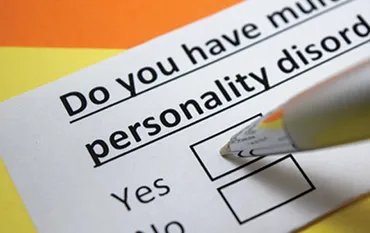
Our evaluations aim to provide an in-depth study of an individual's **cognitive processes** and **personality functioning**. Evaluations are used to gain more information to help with diagnosis and treatment, such as medication management. Our office only offers evaluations to established patients; we do not conduct evaluations for just the sole purpose of the evaluation.
## 🚫 Exclusions (What we **DO NOT** Test For)
The clinic **does not** perform the following specialized evaluations:
* **Autism** testing.
* **Custody evaluations** for children.
* **Forensic psychological evaluations** (for anticipation of prosecution or litigation).
* Evaluations that can be used for **disability claims** or **IEPs** (Individualized Education Programs) or 504s for school.
## 📝 Assessment Process
1. **Informational Interview.**
2. **Administration of educational and/or psychological tests.** This may require one or more sessions.
3. **Data Analysis** and **Report Writing.**
4. **Feedback Session:** Meeting with the clinician to discuss results and receive a copy of the report.
* **Turnaround Time:** Due to the clinic being a training facility, the general turnaround time for the completed report is approximately **4-6 weeks**.
## ⚖️ Patient Rights
Throughout the process, you have the right to inquire about:
* The **nature or purpose** of all procedures.
* The **test results, interpretations, and recommendations**.
## 💰 Fees and Insurance
* The **fee** is based on the **number and type of tests** included in the assessment battery, and may be adjusted based on the purpose of the evaluation.
* **Insurance coverage** is complicated and subject to change.
* **You may have to pay** if insurance doesn't cover the testing.
**Reasons insurance may not cover psychological testing:**
* It's a **non-covered benefit**.
* It's **not deemed medically necessary**.
* The clinic/provider does not meet the **insurance requirements of qualified health care professionals** (e.g., some insurances don't cover testing by a technician or require a clinical psychologist instead of a Psychiatrist).
## 📞 Scheduling
* To express interest in testing, **contact the office** to schedule an appointment with a therapist who then can refer you to our Psychiatrist **Dr. Nikhil Vora**.
* Existing patients who have been approved for testing by Dr. Vora should contact his **technician** at: [email protected]
Additional Resources:
The process of obtaining an Individualized Education Program (IEP) begins when parents or guardians submit a request for evaluation. After receiving the request, the school will conduct its own evaluation, which may involve assessments by school psychologists, special education teachers, and other specialists.
The school is responsible for identifying and evaluating all students who may need special education services, a requirement known as Child Find. Below are several websites that can assist you with the IEP process, along with a link to a resource outlining possible accommodations you might consider requesting. Many children do not qualify for an IEP so you may settle for a 504 plan under OHI (other health impairment). However, it is still the same process.
Here is what I would do next:
- Request an IEP/504 evaluation in writing to the school (to the special education director/teacher/principal)
- Call the listed programs and ask about psychological testing.
- Contact the PCP for a letter of recommendation for an IEP/504
- A PCP letter for an IEP (Individualized Education Program) should confirm a medical diagnosis, describe how it impacts a child's learning, and recommend appropriate accommodations or modifications for the school environment.
- https://picnh.org/wp-content/uploads/2018/06/Sample-Letter-for-a-Physician-Recommending-that-a-Child-be-Found-Eligibale-for-Special-Education-Under-the-Category-of-Other-Health-Impairment.pdf
Additional places that do full psychological testing:
----------
Information on the IEP/504 process
https://www.michigan.gov/mde/-...
https://www.michigan.gov/mde/-...
https://www.understood.org/en/...
ADHD Reads: Outside the Box, Women with ADHD
Bipolar Reads: The Bipolar II Disorder Workbook and The Bipolar Disorder Survival Guide
***Bipolar Resource for Clients: https://www.cci.health.wa.gov.au/Resources/Looking-After-Yourself/Bipolar (Free, self-paced workbooks for bipolar-a wonderful resource on how to keep a balance, provides a place to record symptoms, and provides behavioral and cognitive strategies to help with managing moods).